Why content distribution matters more than content volume
Many businesses focus heavily on content creation, but give far less attention to what happens after it’s published.
The result is common:
- Blogs receive little traffic
- Social posts disappear quickly
- Valuable insights go unseen
A strong content distribution strategy is what’s needed to change that completely.
Instead of treating content as a one-time asset, distribution ensures it reaches audiences through multiple touchpoints over time.
This matters, because modern customer journeys are fragmented. For example, a user may:
- Discover your brand on LinkedIn
- Read a blog weeks later
- Join an email newsletter
- Return through organic search
Rarely does a single interaction lead directly to conversion.
This aligns closely with the thinking behind the 7-11-4 marketing framework, where repeated exposure across channels builds familiarity and trust gradually.
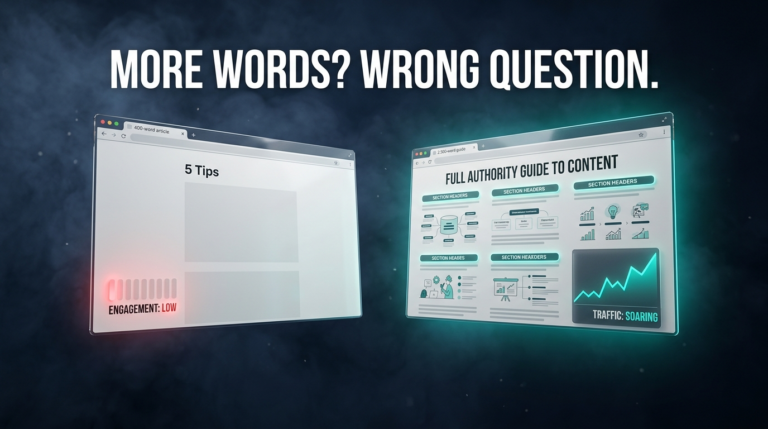
The businesses seeing the strongest results are not necessarily publishing more content. They are often distributing it more effectively.
Understanding the three types of distribution
Effective distribution strategies are usually built across three core categories:
- Owned distribution
- Earned distribution
- Paid distribution
Each plays a different role in visibility and reach.
Owned distribution
Owned channels are platforms your business controls directly.
This includes:
- Your website
- Email newsletters
- Social media profiles
- Resource hubs
Owned distribution creates long-term stability because you are not dependent on third-party algorithms alone.
For example, a healthcare provider publishing a guide on private treatment options could distribute it through:
- Their website blog
- Email subscribers
- LinkedIn company posts
This gives the content multiple opportunities to generate engagement.
Businesses working with a specialist digital marketing agency often strengthen owned distribution first because it creates sustainable visibility over time.
Earned distribution
Earned distribution happens when others share or reference your content organically.
This can include:
- Social shares
- Industry mentions
- Backlinks
- Media coverage
- Community discussions
Earned reach is valuable because it increases credibility alongside visibility.
For example:
- A financial adviser’s pension guide being referenced by an industry publication
- A property market report being shared within local investment communities
The more useful and relevant your content becomes, the more likely it is to be shared organically.
This is where content amplification becomes particularly powerful. High-quality content supported by strategic outreach often generates significantly more visibility than passive publishing alone.
Paid distribution
Paid distribution accelerates visibility through advertising and sponsored placements.
This might involve:
- LinkedIn sponsored content
- Google Ads
- Paid social campaigns
- Sponsored newsletters
Paid channels are particularly useful when:
- Launching new campaigns
- Promoting high-value assets
- Reaching niche audiences quickly
For example, a property consultancy promoting a commercial investment guide may use LinkedIn advertising to target developers and investors directly.
The key is ensuring paid promotion supports a wider strategy rather than operating in isolation.
Why multi-channel distribution works best
Audiences consume content differently depending on:
- Platform
- Context
- Intent
- Time availability
Someone scrolling LinkedIn during lunch behaves differently from someone reading an email newsletter in the evening.
That is why multi-channel distribution is so important.
A single article can become:
- LinkedIn insights
- Email content
- Short-form videos
- Social snippets
- Downloadable guides
- Webinar talking points
This doesn’t mean duplicating content endlessly. It means adapting it to fit different audience behaviours.
For example, a long-form article about retirement planning could become:
- A pension checklist for email subscribers
- A short LinkedIn carousel
- A webinar discussion
- A downloadable financial planning guide
This approach complements broader content repurposing strategies without duplicating them directly.
Repurposing focuses on transforming content formats, while distribution focuses on ensuring that content actually reaches the right audiences.
Together, they create a more complete content ecosystem.
Choosing the right channels for your audience
Not every platform suits every business.
Strong distribution strategies start by understanding:
- Where your audience spends time
- How they consume information
- What type of content they engage with
LinkedIn for professional services
LinkedIn works particularly well for:
- Finance
- Healthcare
- Property
- B2B services
It supports:
- Thought leadership
- Employee advocacy
- Industry commentary
- Professional networking
For example, a healthcare consultancy sharing operational insights on LinkedIn is more likely to reach decision-makers than through generic social channels.
Email newsletters for retention and nurturing
Email remains one of the strongest owned distribution channels because it provides direct audience access.
A good newsletter strategy should:
- Prioritise value over promotion
- Deliver consistent insights
- Segment audiences where possible
For example:
- Landlords receiving rental market updates
- Investors receiving the latest tax updates
- Healthcare audiences receiving new treatment developments
This creates ongoing engagement rather than one-off interactions.
Email also supports longer buying journeys by keeping brands visible over time.
Organic search for long-term visibility
Search remains one of the most sustainable distribution channels because it captures existing demand.
However, strong SEO content distribution requires:
- Strategic keyword targeting
- Internal linking
- Topic authority
- Ongoing optimisation
Businesses investing in long-term visibility often work alongside an experienced SEO agency in London to ensure content continues attracting relevant traffic long after publication.
Social media distribution tactics that increase visibility
Social distribution is not simply about posting links repeatedly.
The strongest strategies focus on:
- Context
- Timing
- Format adaptation
- Audience relevance
Effective social tactics include:
Turning one article into multiple insights
Instead of sharing the same blog headline repeatedly, you could, for example:
- Extract statistics
- Highlight quotes
- Share practical tips
- Create short opinion-led posts
This keeps content fresh while extending its reach.
Using employee advocacy
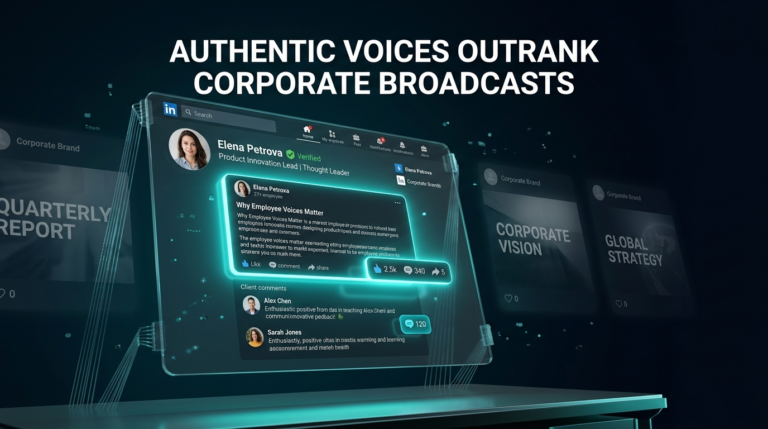
Employees often generate higher engagement with individual posts than a business posting from a company page because audiences connect more naturally with people.
For example:
- Property consultants sharing market observations
- Financial advisers discussing industry trends
- Healthcare professionals commenting on patient behaviour
This adds authenticity to content promotion efforts.
Matching content to platform behaviour
Different platforms reward different formats.
For example:
- LinkedIn favours expertise and commentary
- Instagram prioritises visuals and short-form engagement
- Email supports deeper educational content
Distribution strategies should reflect those differences rather than applying identical messaging everywhere.
Exploring syndication opportunities
Syndication involves republishing or distributing content through third-party platforms.
This can include:
- Industry websites
- Trade publications
- Professional communities
- Partner platforms
Syndication increases exposure while helping brands reach audiences beyond their owned channels.
For example:
- A property market report appearing in a regional business publication
- A financial planning article being featured within an industry newsletter
However, syndication works best when:
- The audience alignment is strong
- Canonical SEO considerations are handled correctly (this means telling search engines which specific URL is the preferred version of a page when identical or similar content is being published. It’s vital for avoiding duplicate content penalties and consolidating search rankings)
- The content genuinely provides value
It should support visibility, not simply increase publication volume.
Measuring the effectiveness of content distribution
Distribution strategies should always be measured against meaningful outcomes.
Key metrics include:
- Traffic sources
- Engagement rates
- Time on page
- Email click-through rates
- Social shares
- Lead generation
- Conversion rates
For example, a retirement planning guide generating:
- Strong LinkedIn engagement
- Consistent organic traffic
- Newsletter sign-ups
is likely contributing meaningful long-term value.
According to Content Marketing Institute, businesses that actively distribute and amplify content strategically tend to achieve stronger engagement and audience retention than those relying on organic publishing alone.
The goal isn’t simply reach. It’s reaching the right people consistently.
Avoiding common distribution mistakes
Many businesses undermine their content by:
- Publishing once and moving on
- Using identical messaging across every channel
- Prioritising quantity over relevance
- Ignoring audience intent
Distribution should feel intentional rather than repetitive.
Strong strategies focus on:
- Timing
- Relevance
- Channel suitability
- Audience behaviour
This creates a more natural and effective experience for users.
Building a distribution strategy that supports long-term growth
Content distribution is no longer optional. It’s what determines whether valuable content actually delivers meaningful results.
The strongest strategies combine:
- Owned visibility
- Earned reach
- Paid amplification
- Multi-channel consistency
- Audience-focused messaging
By aligning content promotion, syndication and content amplification around audience behaviour, businesses can extend the value of every piece of content they create.
The goal isn’t simply to publish more. It’s to ensure the right people encounter your content at the right moment and through the right channel.
Are you making the most of your content?
If you’re reviewing how your content currently performs, it may be worth assessing whether distribution is receiving the same level of attention as creation.
Interested to learn how a more structured content distribution strategy could support visibility, engagement and long-term growth? Speak to Team Figment and let’s discuss the opportunities available to your business.